Chronic Pain and Independent Medical Examinations: Getting the Assessment Right
Chronic pain is among the most clinically complex and legally contested presentations in personal injury and disability practice.


Chronic pain is among the most clinically complex and legally contested presentations in personal injury and disability practice.

May is Mental Health Awareness Month - and across Canada, mental health claims are among the most complex, contested, and high-stakes files in personal injury and disability law.

Spring brings warmer weather, increased outdoor activity and a predictable rise in musculoskeletal injury claims. For legal and insurance professionals managing these files, one of the most practically important decisions is selecting the right medical specialty for an Independent Medical Examination (IME).

When conducted by experienced specialists and aligned with the appropriate discipline, the IME process supports transparent, clinically sound decision-making.

When a personal injury or disability claim involves psychological or psychiatric symptoms, one of the most consequential decisions a referral partner makes is which specialty to request for the Independent Medical Examination (IME).

In the world of acute incidents and workplace injuries not every case is straightforward. Some injuries or conditions involve multiple systems, overlapping symptoms, or unique complexities that make a single-specialty assessment insufficient.

A medical assessment (often called an Independent Medical Examination, or IME) is a structured, impartial process designed to answer specific clinical questions in the context of a claim.
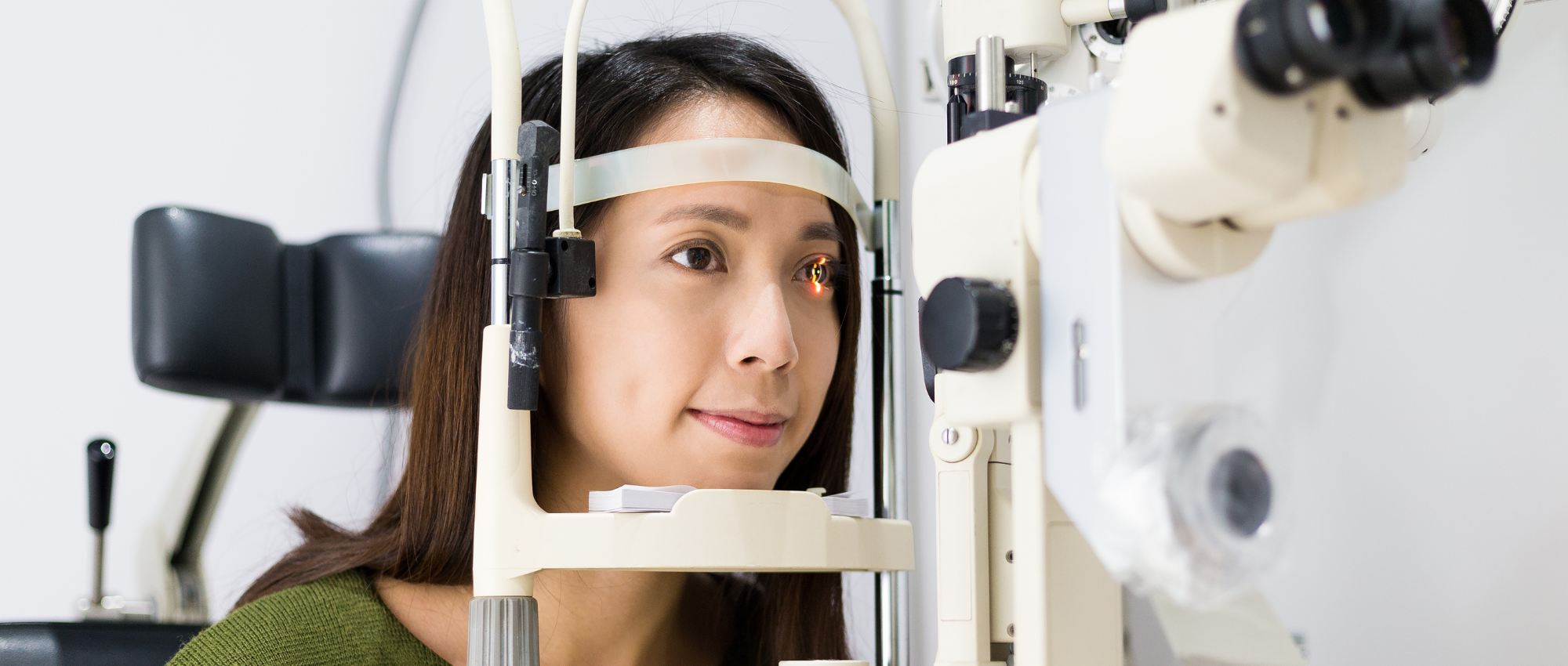
Medylex recently hosted an educational webinar featuring Dr. Marko Popovic, Medical Retina Specialist and Assistant Professor at the University of Toronto.

In today’s workplace, the types of injuries and conditions employees experience are changing, and so too are the ways we assess them.

Concussions - also known as mild traumatic brain injuries (mTBI) - are more than just sports injuries and are frequently misunderstood. They can result from motor vehicle accidents, falls, workplace incidents, assaults, or other trauma.